
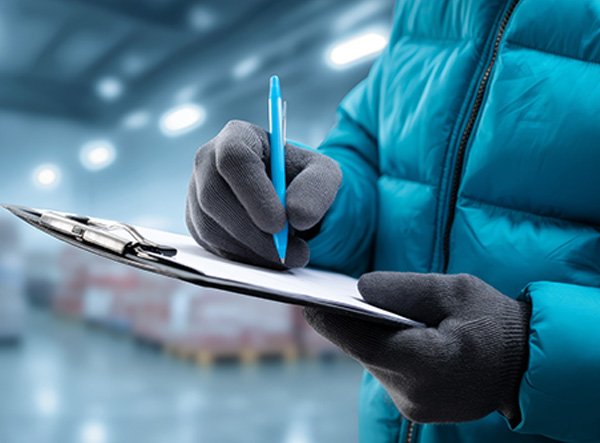

Critical Cold Chain

Stable conditions that protect product quality.

Proper cold chain management ensures protected products, stable conditions, and a reliable operation throughout the entire journey.

Refrigerated logistics requires constant attention from origin to final delivery. Maintaining stable temperature ranges demands proper equipment, continuous monitoring, and planning that accounts for every point along the route.

When transportation is managed with continuous thermal control and active follow-up, temperature-sensitive cargo travels protected and aligned with its specific requirements. This helps preserve product quality, meet regulatory standards, and reduce risks associated with loss or rejection.

The combination of technology, planning, and operational experience transforms the cold chain into a reliable process. Each shipment moves forward with traceability, control, and the support needed to respond to any variation.

Insights real operational

By combining reliable refrigerated equipment, continuous temperature monitoring, and proactive operational oversight, cold chain risks are significantly reduced. Stable conditions are maintained throughout the journey, allowing temperature-sensitive cargo to arrive protected, compliant, and consistent with its original quality.

In the cold chain, small variations can lead to significant losses.

Temperature visibility is just as important as transit time.

Continuous control reduces health, regulatory, and commercial risks.

Trust is built when cargo maintains its original conditions from origin to destination.
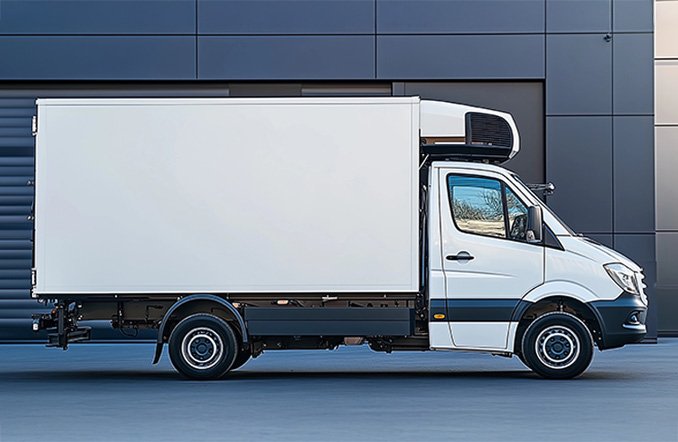
FAQS

What types of shipments require cold chain handling?

Products that must be kept within specific temperature ranges, such as food, beverages, pharmaceuticals, or temperature-sensitive materials.

Through appropriate refrigerated equipment, continuous monitoring, and operational oversight throughout the entire journey.

Yes. The cold chain is managed with constant control and human support at every stage.